Sugar industries are integral parts of their communities, supporting social development, infrastructure, and quality of life improvements across ACP and LDC countries.
Sugar cane industries and cooperatives work hand-in-hand with local communities, recognizing that their success is intrinsically linked to the wellbeing of the people and places where they operate.
From providing essential services like healthcare and education to supporting infrastructure development and environmental conservation, sugar industries serve as anchors for community development.
This partnership approach ensures that the benefits of sugar, ethanol, molasses and other products of sugarcane extend far beyond direct employment, creating multiplier effects that strengthen entire regions.


Sugar estates in Mauritius have developed comprehensive community programs including schools, hospitals, recreational facilities, and cultural centers that serve not just employees but entire districts.

South African sugar companies have established extensive skills development programs, including technical colleges, apprenticeships, and continuing education initiatives.
This approach has helped maintain cultural identity while improving living standards and creating opportunities for young people to remain in their traditional communities.
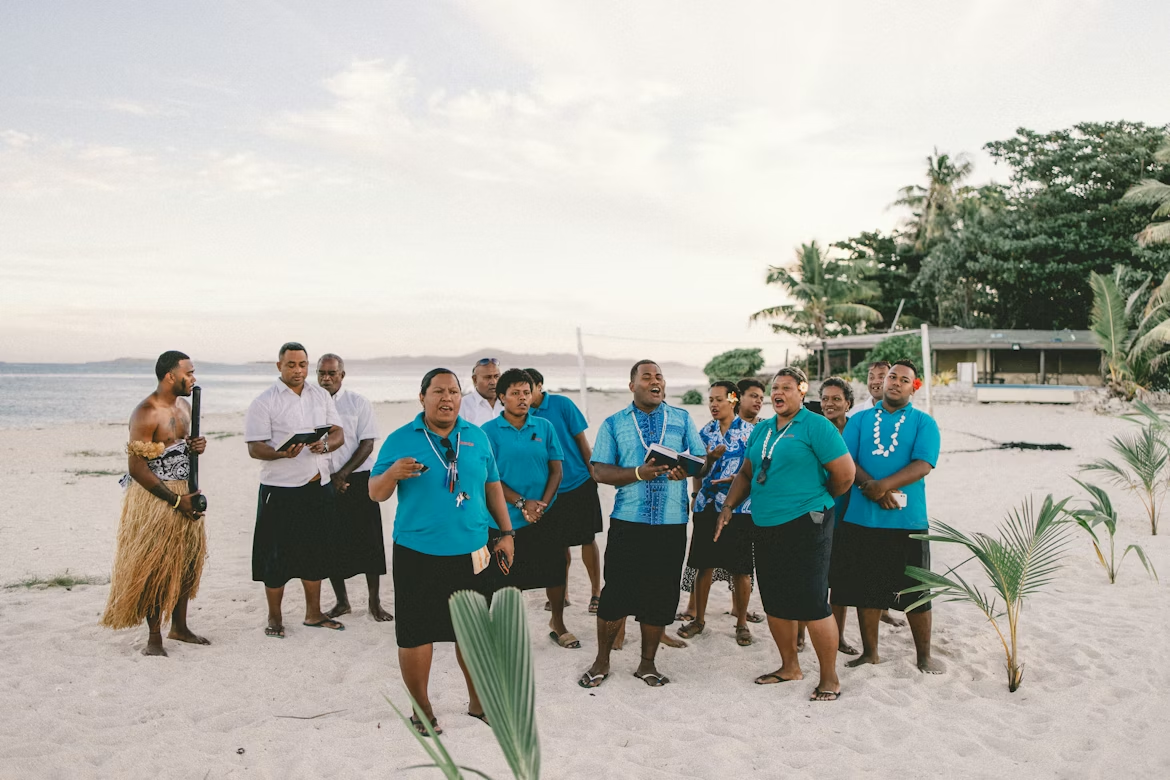
The Fiji Sugar Corporation works closely with indigenous communities to preserve traditional practices while providing modern healthcare and education services.
This approach has helped maintain cultural identity while improving living standards and creating opportunities for young people to remain in their traditional communities.
The partnership between sugarcane industries and communities continues to evolve, always with the goal of creating sustainable, prosperous, and inclusive societies where everyone can thrive.
Through continued collaboration, innovation, and commitment to social responsibility, sugar industries will remain vital partners in community development across ACP and LDC countries.


Website proudly made in the Kingdom of Eswatini by Yiza Systems Ltd., African City Building, Mbabane.